





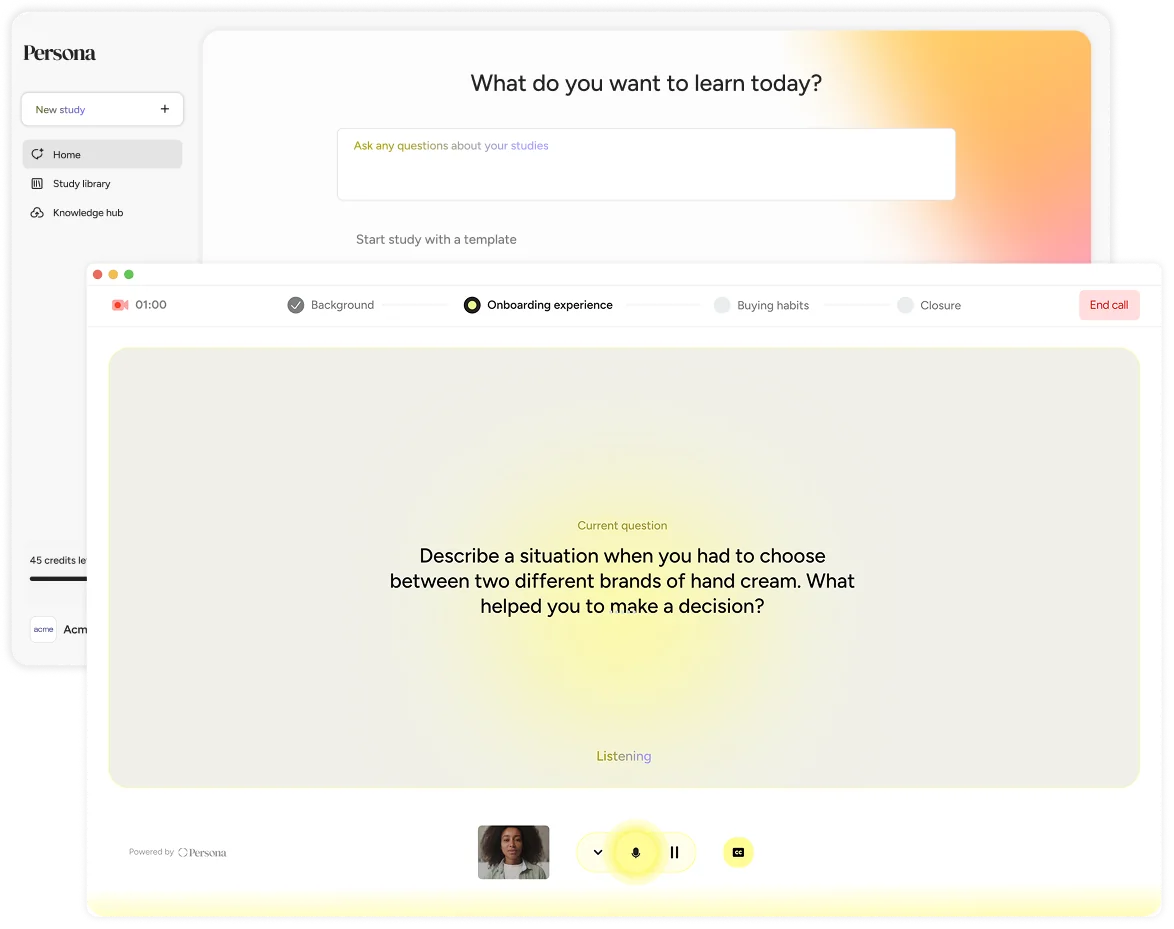
Persona. Product design for a B2B SaaS AI user-interview tool
a16z
Backed by
Other Land's AI-native designers and design engineers, shipping in your stack.
Trusted by 56+ companies
Persona. Product design for a B2B SaaS AI user-interview tool
a16z
Backed by
Asper. Product audit for an AI demand-forecasting SaaS
$20M
Series B

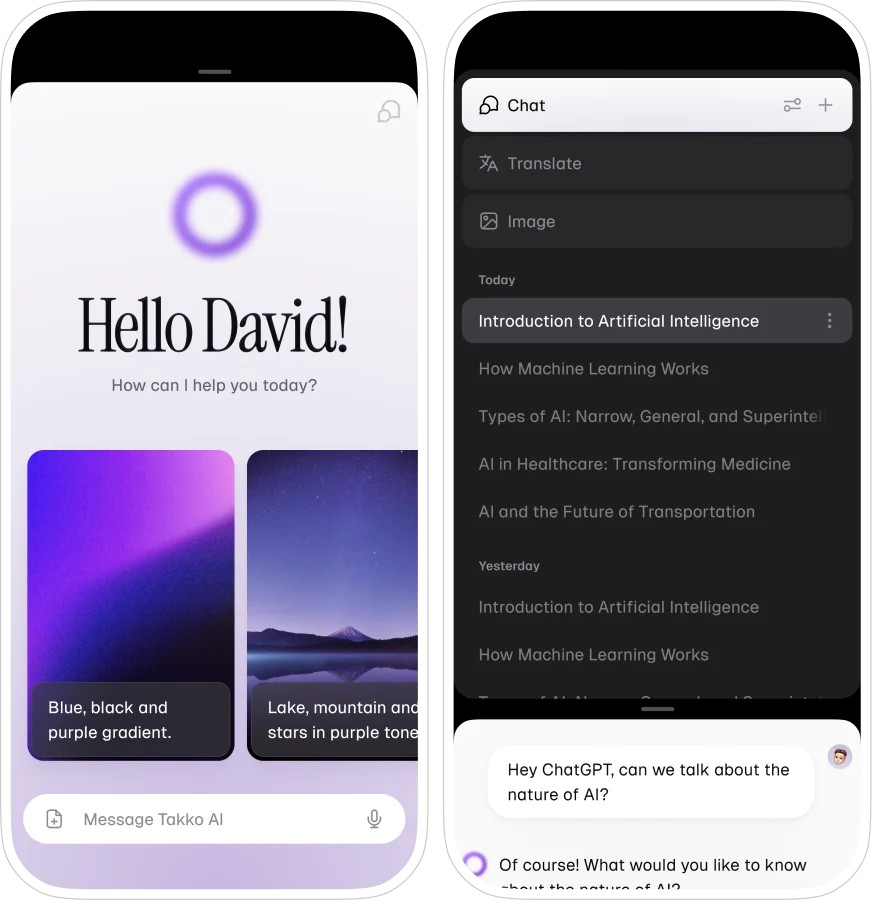
Takko. Building an enterprise AI assistant for internal teams
€1.3B
Revenue
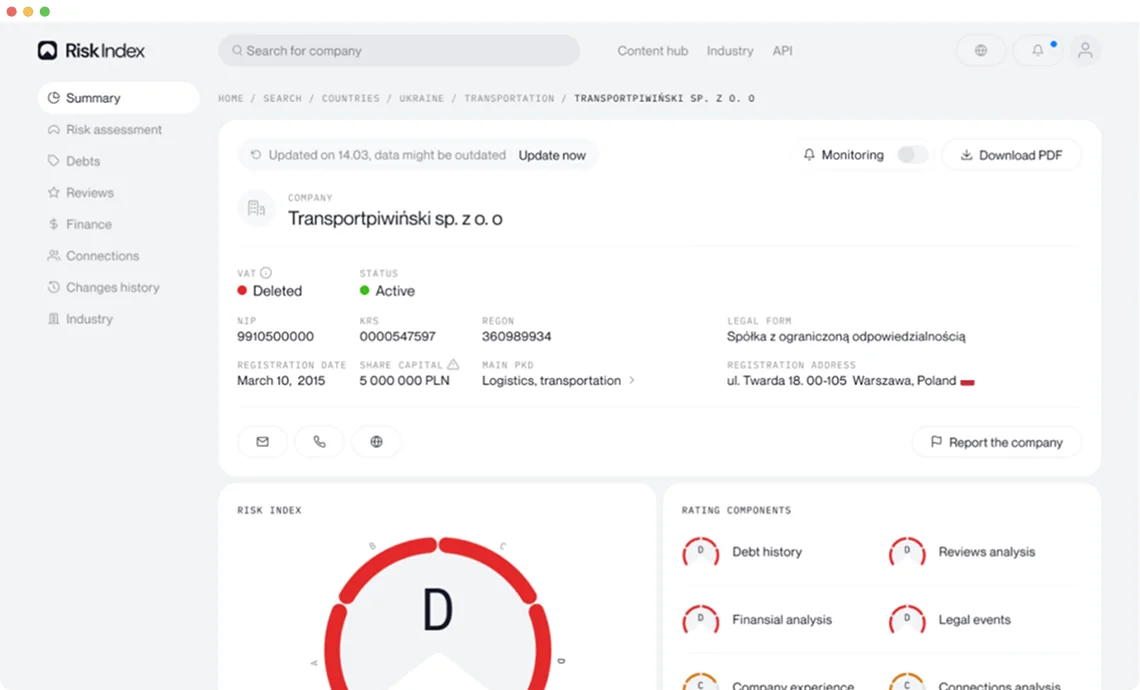
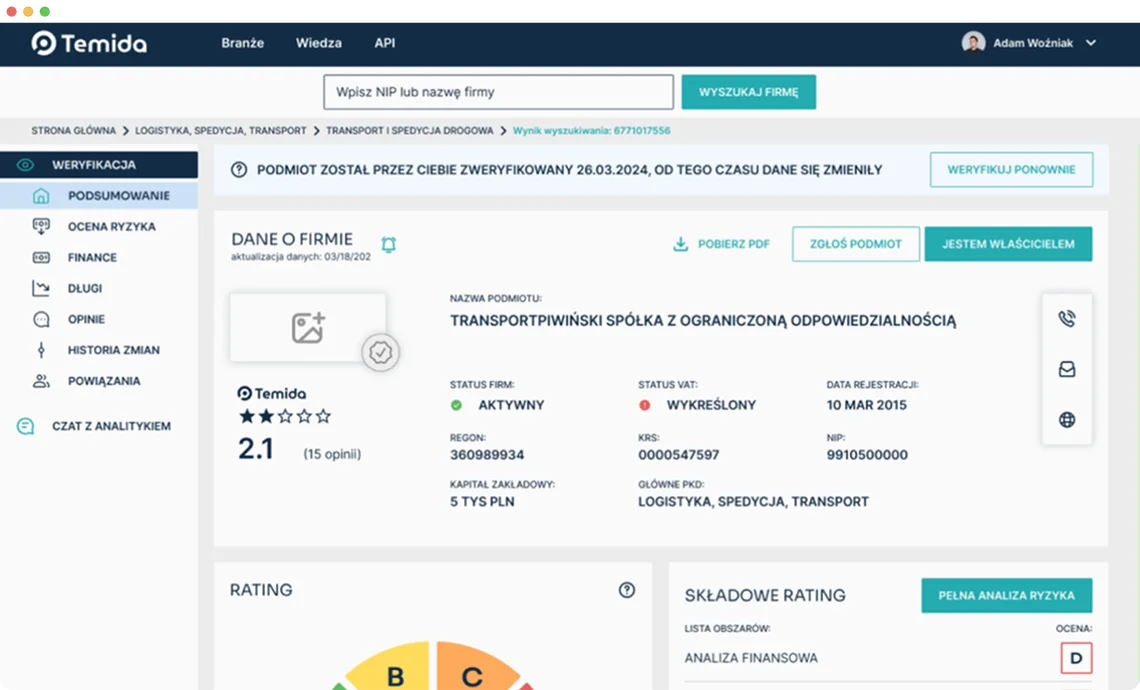
RiskIndex. Redesign for an AI risk-evaluation platform
230+
B2B users






Where we help
Your developers move with agents. Design is still the slow part.
Design at repo speed
Teams running agentic workflows in development. Design lands as a pull request instead of a Figma file waiting for translation.
Shipping fastThe interface is the product. Generated UI looks generated.
Polish before AI scales
Products where craft is the differentiator. Spacing, type scale, states, and contrast made by hand, then AI scales what is already decided.
CraftStories pile up faster than anyone can design them.
Design at story volume
Teams shipping several user stories a day. An agent pipeline builds each one from your components, with review gates before dev.
Story volumeFigma says one thing, production says another.
Design and code in sync
Teams whose Figma and live UI drifted apart. We rebuild the components in code and Storybook, so both say the same thing.
Design driftHow we work
Design review
We check that each screen answers the user problem we defined, with a new solution, not a reskin of the old one.
Best practices, your design system and the PRD, from flows and states to terminology. Each comment becomes a new rule.
Automated checks catch most of it. Our design director reviews each screen by eye, and our engineering lead the code.
What you get
A pull request in your repo, in your conventions, ready to review.
A working interface instead of mockups and a spec to translate.
A design system in code, or a UI kit when speed matters more.
Components in Storybook, with the states your product actually uses.
Numbers behind the work
Why us
Your repo, your stack, your conventions. Your developer reviews and merges the PR.
AI generates. An AI-native product designer decides what is good enough to keep and what gets rebuilt.
With the foundation set, agents build at volume, so a week covers what used to take months.
Prompts written from the design side land on the first try. Cheaper than five rounds of asking for better.
We start from your users, data and stakeholders, not just the ticket. Your roadmap is one option.
A design engineer, a design lead, and a product manager. Three people on your product, one price.
Who it's for
Startups get a working product in code from day one, on components that can grow with it.
Growing teams get design at story volume, inside the stack, tools and rituals they already run.
Large products get design engineers who work within your design system, review gates and release process.
Collaboration models
Need a designer now, without the time or cost of hiring?
Embedded Designer
An AI-native product designer who works inside your team. They own your design and ship on your roadmap. Full-time or part-time, for as long as you need.
From 4 weeksHave ongoing design tasks but not enough work for a full-time designer?
Fractional Support
Ongoing design help, without a full-time hire. A set number of hours each month, for whatever needs doing. Scale up or down anytime.
From 40h / monthHave a specific scope of work that needs to get done?
Project Sprint
A clear scope with a clear outcome. A launch, a redesign, or a focused set of changes. We come in, do the work, and ship it.
1 to 3 monthsWant to understand why your product is not performing?
UX Diagnostic
A focused look at where your product loses users. We find the problems and what's causing them. You get a clear list of what to fix.
2 to 6 weeksA design engineer is an AI-native product designer who also ships front-end code. The same person decides the layout, the states and the type scale, then builds them in your components and opens the pull request. At Other Land that work runs through an agent pipeline, with a design review on every story before it reaches your developers.
Yes. We work on a branch and open a pull request in your conventions. Your developer reviews and merges. Deploy stays on your side, always.
Your developer reviews the code, the same as any PR from the team. We own the design quality, meaning the interface, the system, the states and the consistency, and every story passes our design review first.
The translation step disappears, and agents build at volume once the foundation is set. No rebuild from mockups, no second pass, and a person still reviews every story.
They can, and many do. The gap is judgment. An Other Land design engineer knows what good looks like before the generation starts, which means fewer prompts, fewer retries, lower token spend, and an interface that doesn't look generated.
We work inside it and keep it clean. If it lives only in Figma, we can turn it into a production-ready system in code. If it doesn't exist, we build one from your brand guidelines.
No. We take the interface layer, so your developers stay on state, data, logic, and infrastructure. Most teams use us to unblock the front end, not to staff it.
Yes, where your team reviews there. On agent-driven projects most of the work lives in code and Storybook, and screens go to Figma so your product team can review them. We match the approach to how your team already builds.
Your stack. Most often React or React Native, with component libraries like ShadCN or React Aria, Storybook, and Claude Code or Cursor with Figma MCP. We build each component in Figma and Storybook at the same time.


