


Rakbank. Redesign for a personal and business banking platform
37M
Digital Logins


An AI-native product designer in your team, full time, backed by a design lead and a PM.
Trusted by 56+ companies
Rakbank. Redesign for a personal and business banking platform
37M
Digital Logins
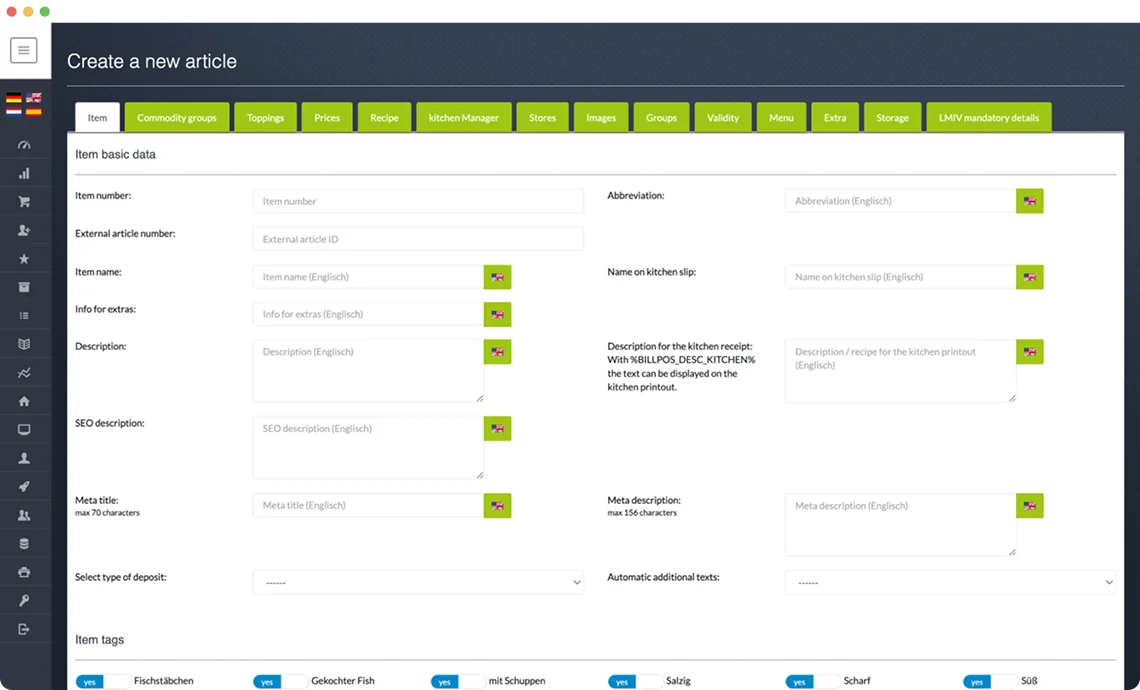
Sides. Redesign for a restaurant B2B SaaS
$11.9M
Series A
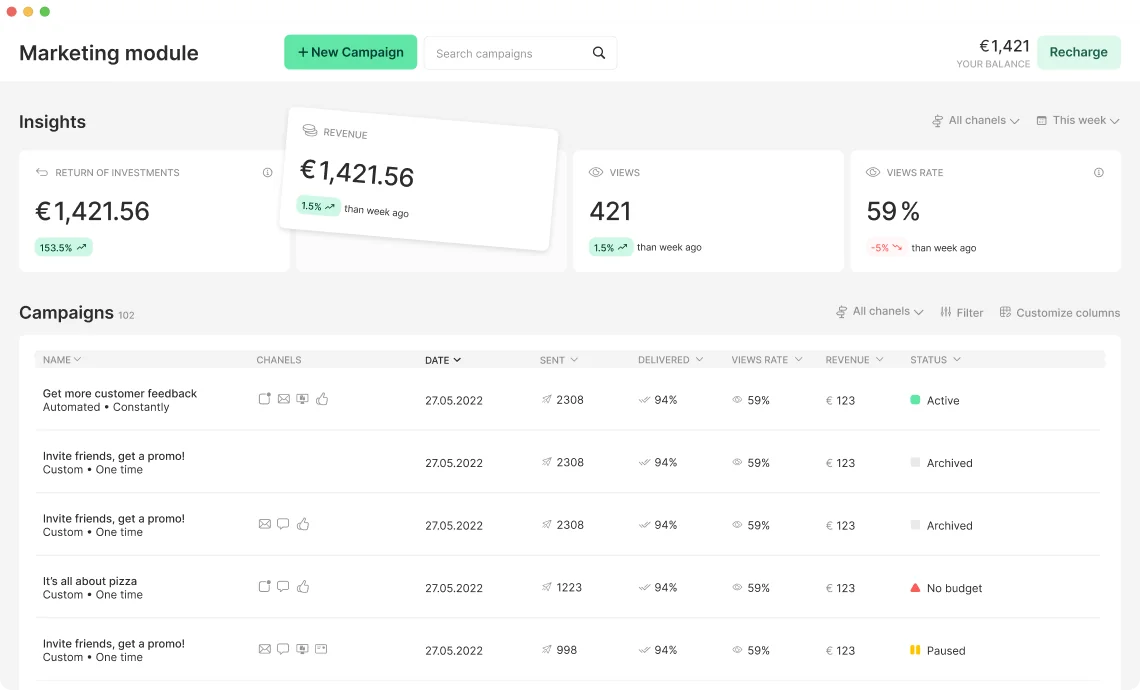
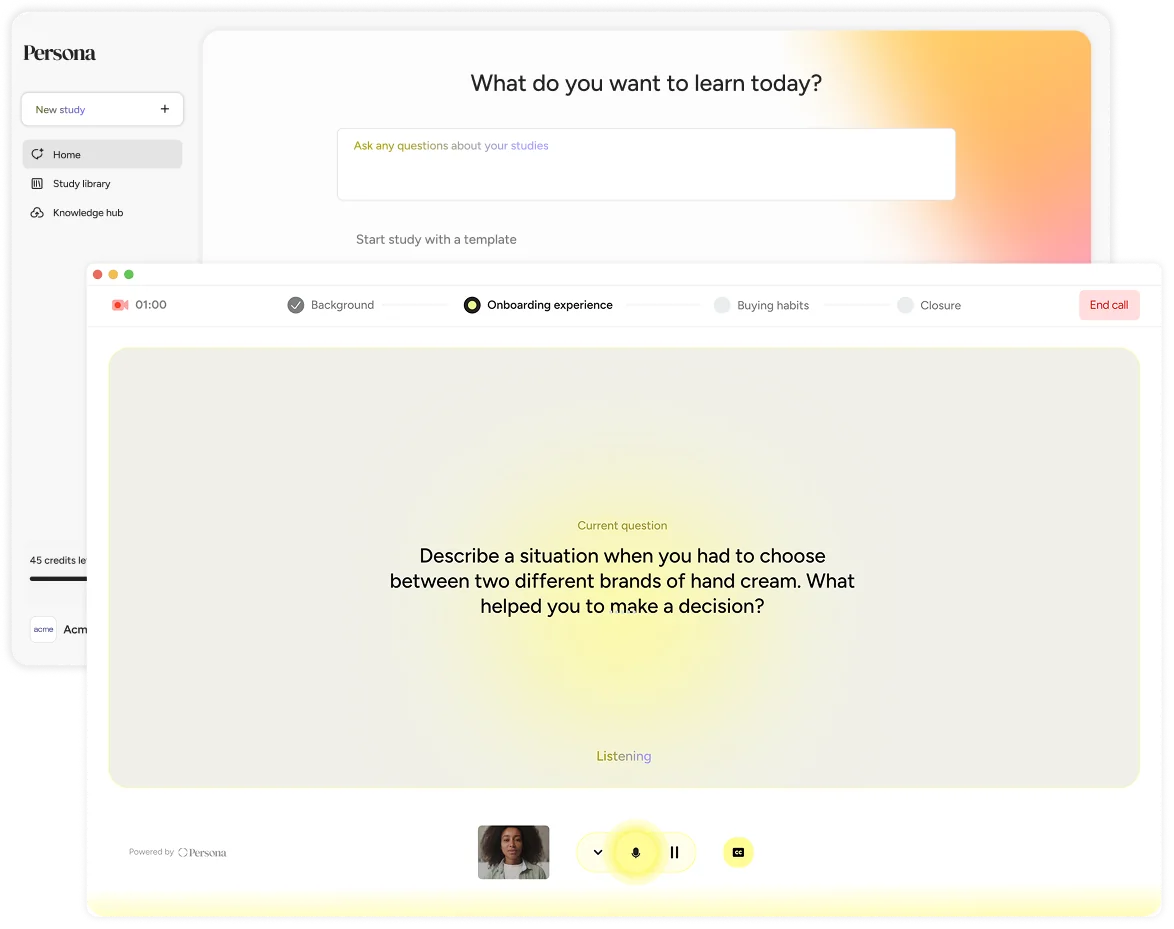
Persona. Product design for a B2B SaaS AI user-interview tool
a16z
Backed by
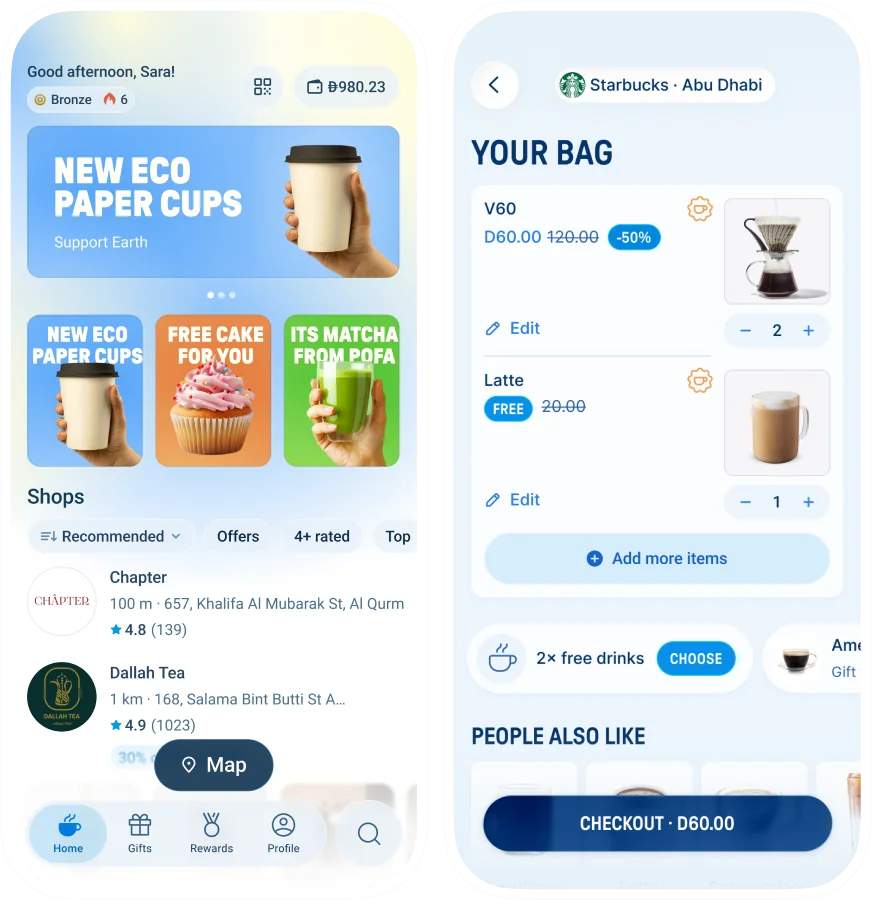
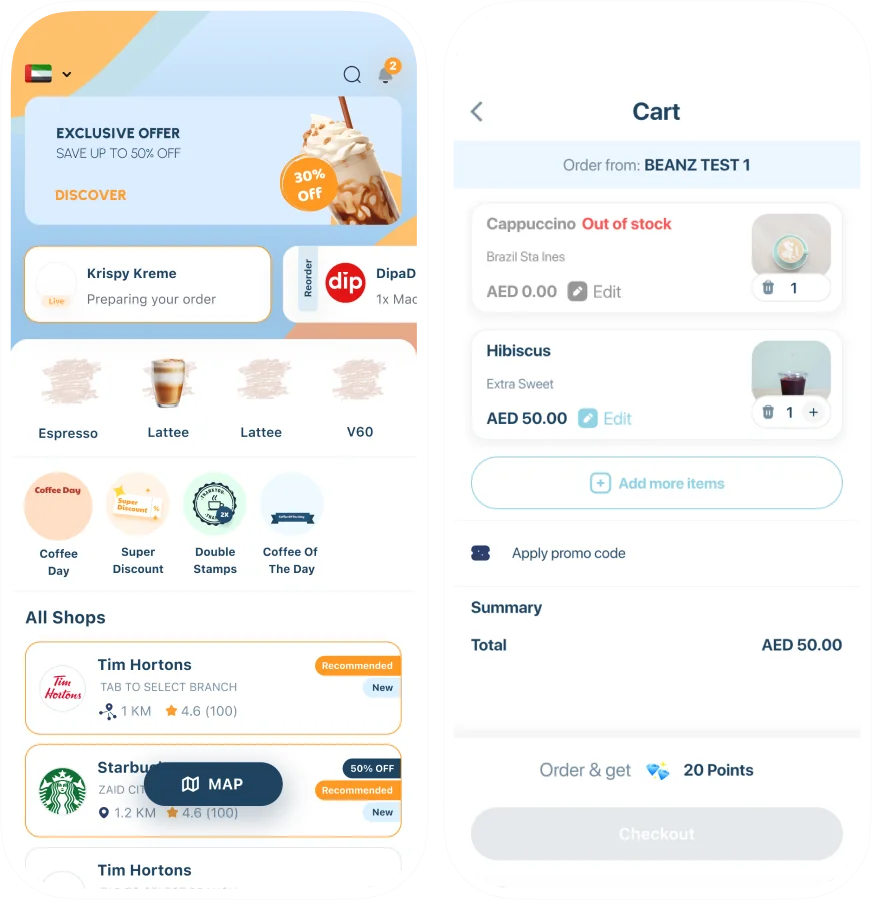
Beanz. Redesign for a coffee and gift ordering app
730k+
App Users






Teams at RAK Bank, Stockpile, Canopy, Apollo, Cricut, Sides, Persona and Beanz have worked with Other Land as an embedded design team.
How we work
Your tools, your rituals, your roadmap. The designer works inside them, not alongside them.
Product design is the core. Brand, web and any other design question lands with one team.
No designer in the team? We become the department. Already have one? We add capacity or depth.
One designer, one product, full time. No shared hours, no queue behind three other clients.
Priced like a salary, billed monthly. Scope changes get agreed on the call, not in an annex.
Proposals from your users, data and stakeholders, not only tickets from the backlog.
Who it's for
Works well when
A different model fits when
Our process
Your team
Picked for your industry, niche and problem. Owns the design work day to day, full time inside your team.
Reviews every screen, owns design quality and direction, and brings what worked on Other Land's other products.
Owns scope, priorities, timelines and communication, and clears blockers so the designer can design.
Embedded vs hiring
An embedded team from Other Land starts fastest and comes with a design lead reviewing the work. An in-house hire builds the deepest context over years. A freelancer starts in days but begins cold on every task.
| Other Land team | In-house hire | Freelancer | |
|---|---|---|---|
| Time to first real work | Two days to two weeks | Two to four months to hire, then ramp-up | Days, but starts cold on every new task |
| Depth of product context | Held full time, one product, one designer | Deepest of the three, and it compounds every year | Rebuilt from scratch per brief |
| Who reviews the work | A design lead and a PM, every week | Peer review, if there are peers to review | Nobody |
| If it is not working out | Replaced within a week, re-onboarding at our cost | Months, a hard conversation, and a new search | You start the search again yourself |
| Stopping | Two weeks' notice, nothing else owed | Notice period, severance, backfill | Anytime, and the context leaves with them |
Why teams stay
Client reviews
We've worked with Other Land for over 2 years and had 2 designers join us, both a great fit. They integrated smoothly, took ownership of the design side, and consistently delivered strong hypothesis and design solutions.
+17.1%
Conversion after a series of A/B tests
This is my third time working with Other Land, and I'd gladly partner with them again. They focus on real product value, move fast, and integrate seamlessly. And prioritise metrics-oriented design that drives real impact on business.
+83.7%
Conversion after redesign
We've been matched with an incredible designer, Vlad, whose work brought a clear upgrade in both product experience and visual quality. His attention to detail and high standards truly impressed us, and he ships in steady weekly cycles that stay in step with our roadmap.
Top 1
On the local App Store after app redesign
An embedded design team is an AI-native product designer from Other Land who joins your product team full time, with a design lead and a product manager reviewing the work. The designer works in your tools and rituals and stays on one product, so context is held rather than re-explained.
Less than most teams expect, but three things are not optional. Access to the product and to your analytics, including session recordings if you have them. One person who can answer a question without a meeting being scheduled. And a shared view of the two or three things that matter most this quarter, even if that view is rough.
Beyond that we ask for two to four hours of stakeholder time in the first week, usually as a workshop with whoever owns the product, and an introduction to your dev team so the designer understands what is cheap and what is expensive to build. We do not need documentation written for us. If your context lives in Slack threads and half-finished Figma files, that is normal and we will read it.
Four weeks is the shortest engagement Other Land takes. That covers one scoped piece of work and gives both sides a read on whether the model works, though onboarding takes a real share of it, so most teams book longer. After the first four weeks it continues month to month for as long as it is useful, with no fixed end date and no renewal negotiation.
To stop, tell us two weeks in advance. There is no exit fee, no minimum remaining term, and no penalty for stopping earlier than you planned. The designer finishes what is in flight, hands over files and specifications in your format, and writes down the open decisions so nothing has to be reconstructed later. Our longest partnership on this model ran four years, one month at a time.
We replace them within a week and re-onboard the new designer at our own cost, not yours. This is the risk you carry with any hire, and it is the one part of hiring that Other Land can genuinely take off your side of the table.
It rarely gets that far, because the design lead and the PM are in the work from the first week, so a mismatch of level, domain or communication style usually surfaces internally before it becomes your problem. If it does reach you, say it early rather than politely. A fit problem named in week two costs a week. The same problem raised in month four has already cost you a quarter of roadmap.
A design lead and a product manager, included in the fee rather than billed on top. The design lead reviews the work weekly, sets the quality bar, and is the person who says the uncomfortable thing when a direction is not working. The product manager keeps the engagement aligned with your priorities, handles scope conversations, and makes sure the designer is not quietly blocked.
In hours that is roughly two to four hours a week each, and it scales up when a decision is large or a deadline is close. This is the actual difference between an embedded team and staffing a seat. A single freelancer, and often a single in-house designer, has no design leadership checking the work at all.
Per month, usually yes. Over the first year, usually no, and the honest answer depends on your market. There is no recruitment fee, no equity, no severance, no hardware, no benefits, and no two to four months of salary paid while someone ramps up or while the role sits empty. A senior hire who does not work out is the expensive outcome, and that risk sits with us.
In-house wins clearly if you can hire a strong senior product designer locally, keep them fully busy, and keep them for several years. Then in-house is cheaper and the accumulated context is worth more than anything Other Land can offer. If any part of that sentence is uncertain, the embedded model is the cheaper bet.